
Why it matters
Quitting tobacco & Nicotine—whether cigarettes, cigars, or vaping, chew, etc —significantly lowers the risk of lung disease, heart disease, stroke, and many cancers.
Danger of smoking
Smoking remains one of the leading preventable causes of illness and death in the United States.
i
Health effects
Even if you’ve smoked or used tobacco for years, your body begins to heal within hours of quitting.
i
i
Benefits of quitting
 Within 20 minutes, heart rate and blood pressure begin to drop.
Within 2 weeks to 3 months, circulation and lung function improve.
Within 1 year, your risk of heart disease is cut in half.
Within 5 years, stroke risk is similar to someone who has never smoked.
Within 10 years, lung cancer risk is cut by about half.

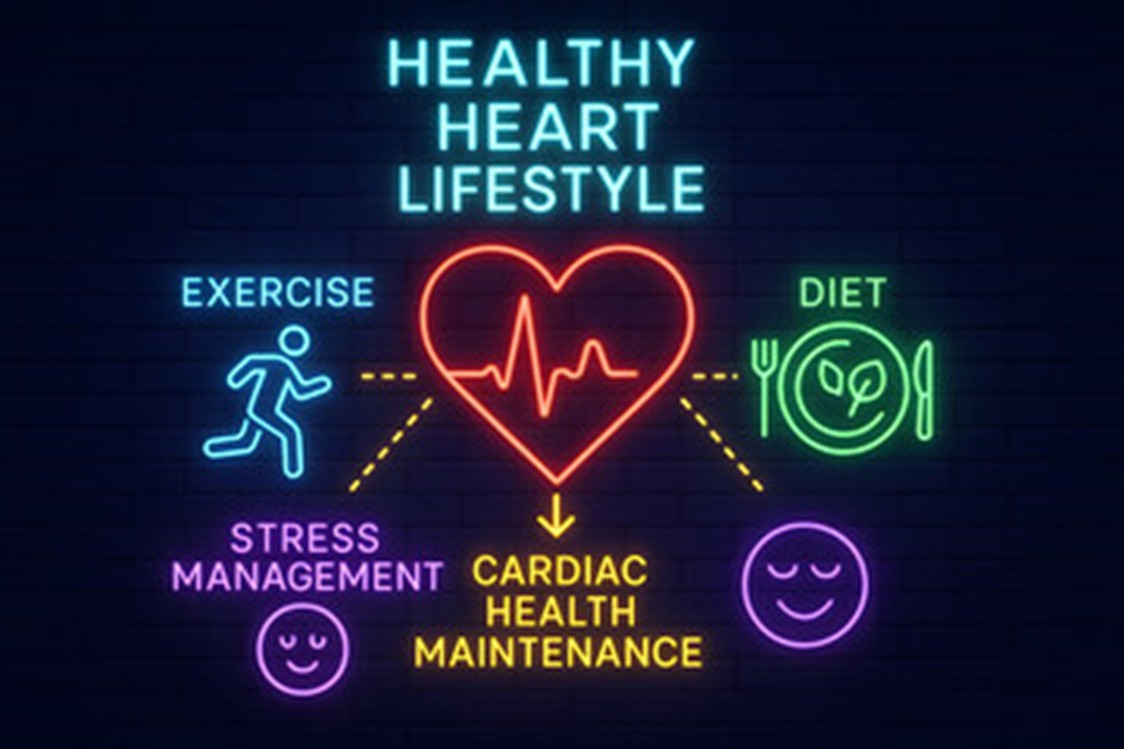
Tips to help you quit
- Set a quit date. Choose a realistic date within the next 2 weeks and mark it on your calendar.
- Know your triggers. Identify situations, emotions, or people that make you want to smoke.
- Use nicotine replacement or medication. Patches, gum, lozenges, and prescription aids can reduce withdrawal symptoms. Nicotine replacement therapy is a covered benefit under Medi-Cal. Talk to your doctor about quitting today.
- Build a support system. Tell family, friends, or coworkers about your plan to quit and ask for encouragement.
- Replace the habit. Try deep breathing, walking, or chewing sugar-free gum when cravings hit.
- Seek professional help. Free counseling and quitlines can double your chances of success.
Need help right now? Call 1-800-QUIT-NOW (1-800-784-8669) for free, confidential support.

Posted on January 15th, 2026 and last modified on May 18th, 2026.
top