
Importance of healthy weight
Maintaining a healthy weight is one of the most important steps you can take for long-term health, energy, and quality of life. Weight management is not just about appearance — it affects your risk for chronic disease, your mobility, and even your mental health.

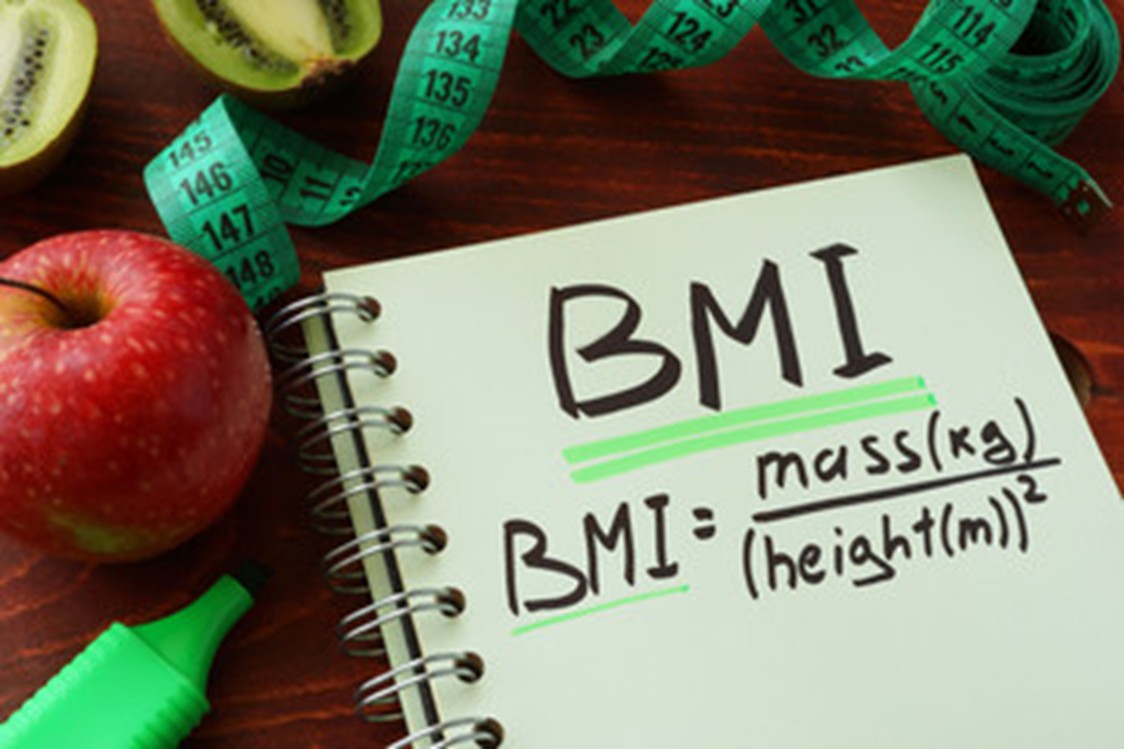
Body Mass Index (BMI)
The Body Mass Index (BMI) is a common tool used to classify weight, but it is only one piece of the puzzle. A combination of healthy eating, regular physical activity, stress management, and sleep all work together to support weight maintenance.

Understanding BMI (Body Mass Index)

  • What is BMI?: BMI is a simple calculation of weight in relation to height (kg/m²).
  • What are the BMI categories?:
    • Underweight: <18.5
    • Healthy weight: 18.5–24.9
    • Overweight: 25–29.9
    • Obese: 30 or higher
  • Limitations: BMI does not account for muscle mass, body fat distribution, or metabolic health. For athletes and strength-trained individuals, BMI may not accurately reflect health risk.
  • BMI should be combined with waist circumference, body composition, and lifestyle factors for a more complete health picture.

Example of BMI (Body Mass Index) and how the measurements are influenced by diet and exercise.
An older woman smiling as she noticed she has lost weight

Why healthy weight matters

  1. Reduced Chronic Disease Risk
    Maintaining a healthy BMI lowers your risk for type 2 diabetes, hypertension, cardiovascular disease, stroke, and certain cancers.
  2. Joint & Bone Health
    Excess weight increases stress on the knees, hips, and spine, leading to joint pain and arthritis risk.
  3. Metabolic Efficiency
    Balanced weight supports healthy blood sugar regulation, cholesterol levels, and hormone balance.
  4. Energy & Mobility
    Healthy weight makes daily activities easier, supports physical performance, and improves stamina.
  5. Mental Well-Being
    Studies show weight stability is linked to improved mood, self-confidence, and reduced risk of depression.

ACSM (American College of Sports Medicine) & CDC (Center for Disease Control and Prevention) recommendations for weight maintenance

1. Physical Activity

  • Aerobic Exercise: At least 150 minutes of moderate-intensity or 75 minutes of vigorous-intensity activity per week.
  • Strength Training: 2–3 nonconsecutive days per week targeting all major muscle groups.
  • Flexibility/Balance: 2–3 times per week, especially as you age.
  • Weight Control Tip: For weight maintenance (not loss), ACSM recommends up to 250–300 minutes/week of moderate-intensity activity.
Physical Activity
Eating Healthy

2. Nutrition

  • Balance calories in with calories out.
  • Focus on whole foods: lean protein, whole grains, fruits, vegetables, healthy fats.
  • Limit sugar-sweetened beverages and highly processed foods.
  • Eat consistent, portion-controlled meals to avoid large fluctuations in energy.

3. Lifestyle Factors

  • Sleep: Aim for 7–9 hours nightly — sleep deprivation can increase appetite-regulating hormones.
  • Stress Management: Chronic stress raises cortisol, linked to increased fat storage.
  • Consistency: Small daily habits are more effective than extreme short-term diets.
Middle-aged woman lying in bed on comfortable memory foam pillow fresh beige color bed clothes enjoying early morning awakened at home closed eyes dreaming visualizing perfect day concept
Achieving balance in life through healthy habits and wellness practices is depicted in this illustration of a person meditating on a scale surrounded by fitness and nutrition elements.

Practical strategies for healthy weight

  • Use portion control (smaller plates, mindful eating).
  • Track activity and nutrition with journals or apps.
  • Incorporate more movement into your day (walking meetings, standing breaks).
  • Establish regular eating times to regulate appetite.
  • Stay hydrated — thirst is often mistaken for hunger.

Self-Assessment: Am I on Track for Healthy Weight?

Instructions:
Answer the questions below honestly and tally your points at the end:


1. 
I do at least 150 minutes of moderate or 75 minutes of vigorous aerobic activity weekly.

2. 
I strength train at least 2 times a week.

3. 
I eat balanced meals with vegetables, lean proteins, and whole grains most days.

4. 
I limit sugary drinks and processed foods.

5. 
I sleep 7-9 hours most nights.

6. 
I use stress management techniques (exercise, meditation, breathing, hobbies).


Posted on January 26th, 2026 and last modified on May 18th, 2026.

top
X